Local Markets and Discounts

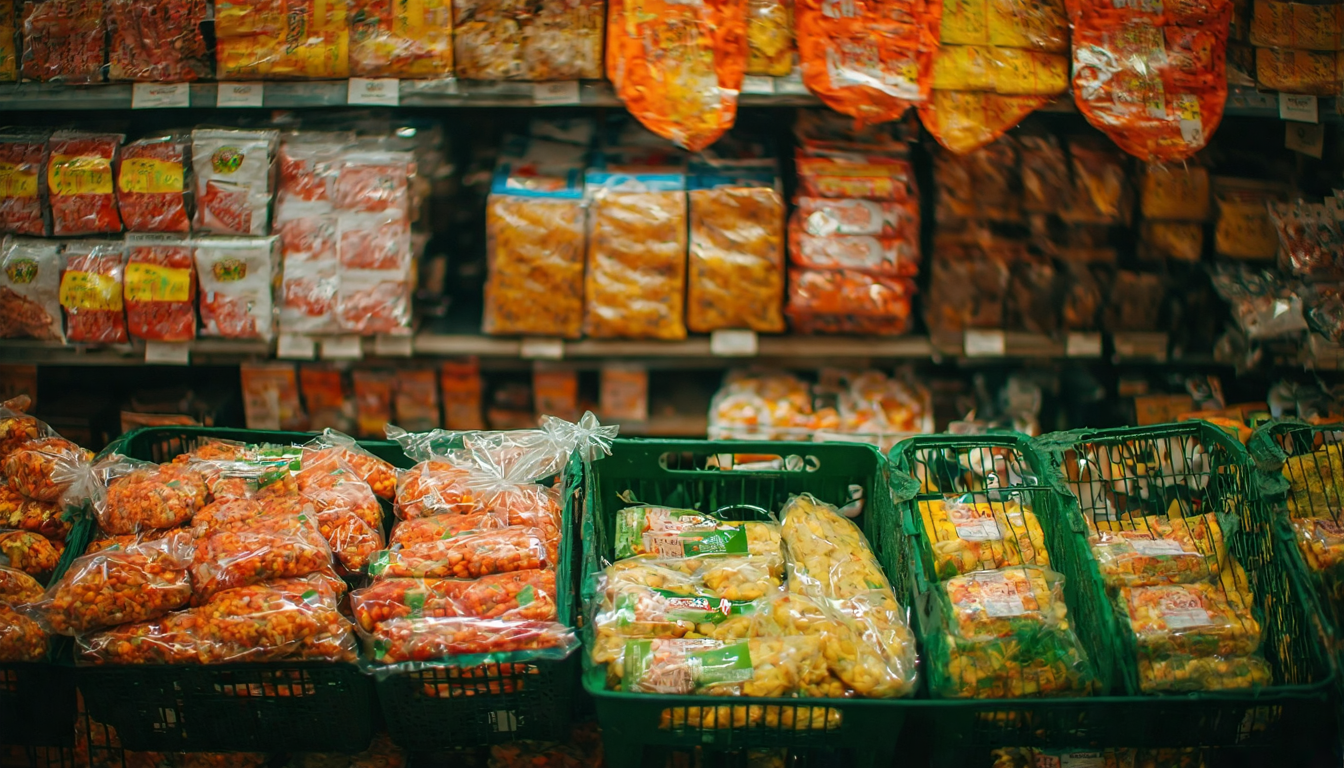
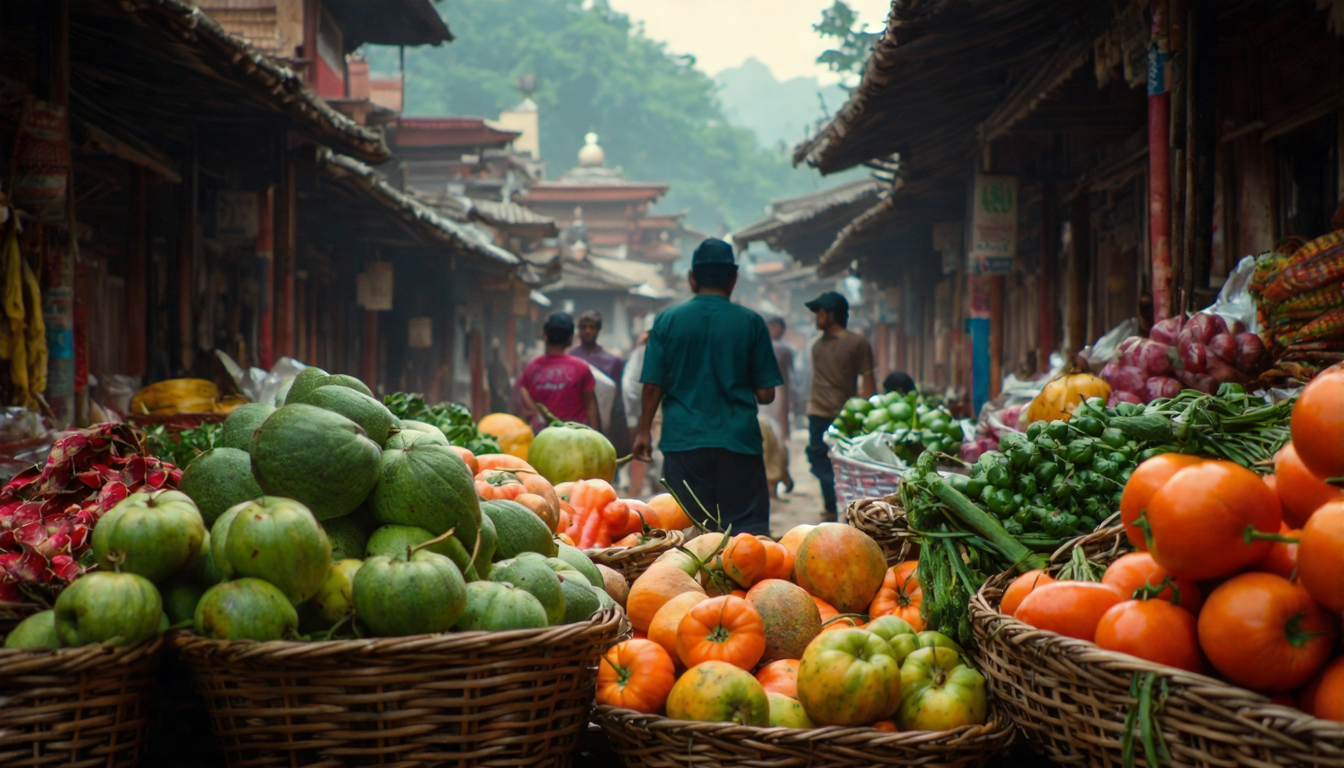
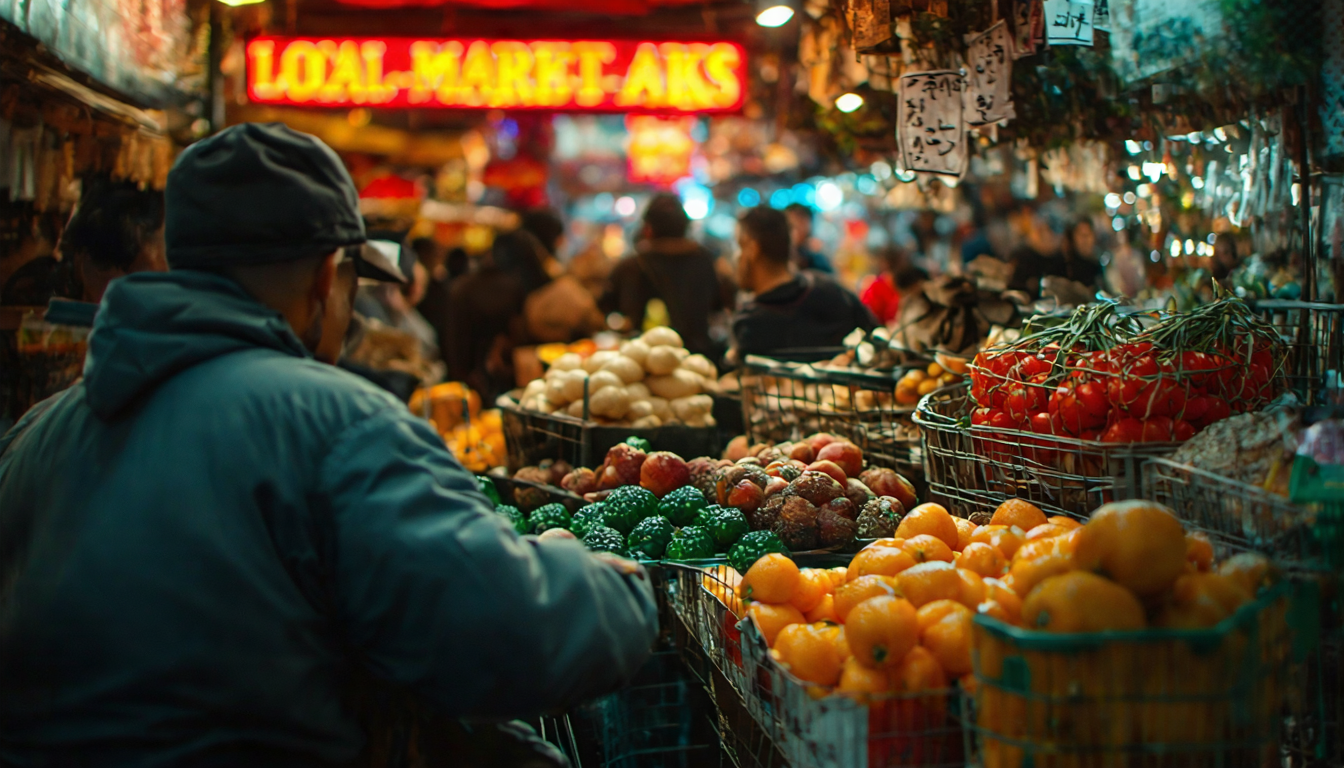
Local markets are vibrant hubs of community life, offering a unique shopping experience that often stands in stark contrast to large retail chains. These markets frequently feature a variety of products, including fresh produce, artisanal goods, handmade crafts, and local specialties that reflect the culture and traditions of the area. By shopping at local markets, consumers not only support local farmers and artisans but also contribute to the sustainability of their communities.

One of the significant advantages of local markets is the opportunity to find discounts and deals that are often not available in larger stores. Many vendors at these markets are willing to negotiate prices, especially if you buy in bulk or at the end of the day when they want to reduce their inventory. This creates an excellent opportunity for savvy shoppers to save money while enjoying fresh and unique products.

Additionally, local markets often host seasonal festivals and special events, featuring discounts, promotions, and unique offerings that enhance the shopping experience. These events can be a great way to discover new products, enjoy live entertainment, and connect with fellow community members.

Moreover, shopping at local markets can provide a more personalized experience. Vendors are typically passionate about their products and are happy to share their knowledge and stories, which can enhance your understanding of the items you are purchasing. This personal touch is often missing in larger retail environments, making local markets a more enjoyable shopping option.

(0)

Sustainable Shopping in Nepal

Sustainable shopping is an increasingly important practice for consumers around the world, and Nepal is no exception. With its rich cultural heritage and diverse natural resources, Nepal offers unique opportunities for shoppers to make responsible choices that benefit both the environment and local communities.

One of the key aspects of sustainable shopping in Nepal is the emphasis on locally sourced products. By purchasing goods made by local artisans and farmers, consumers can support the economy and help preserve traditional crafts. From handwoven textiles to handmade jewelry, Nepalese products often embody the creativity and skill of their makers, making each purchase a meaningful contribution to the preservation of cultural heritage.

Moreover, many local businesses in Nepal prioritize eco-friendly practices. For example, several shops focus on using natural materials and sustainable production methods, minimizing their environmental impact. Shoppers can find a variety of products, such as biodegradable bags, organic foods, and eco-friendly household items, that align with a sustainable lifestyle.

Another important facet of sustainable shopping in Nepal is the promotion of fair trade. Many organizations work to ensure that artisans and farmers receive fair compensation for their work, empowering communities and improving livelihoods. By choosing fair trade products, consumers can contribute to social equity and help uplift marginalized populations.

In addition to supporting local economies and promoting fair trade, sustainable shopping can also involve making conscious choices about consumption. Shoppers are encouraged to reduce waste by

(0)
Fresh Groceries in Nepal

Nepal, a country known for its rich culture and breathtaking landscapes, also offers a vibrant array of fresh groceries that reflect its agricultural diversity. From the lush valleys of the Terai region to the mountainous terrains of the Himalayas, Nepal produces a wide variety of fruits, vegetables, grains, and herbs that are integral to its cuisine.

One of the most popular places to find fresh groceries in Nepal is at local farmer’s markets, known as ‘hatt bazaars’. These markets are often bustling with activity, where vendors display their freshly harvested produce, including seasonal fruits like oranges, apples, and bananas, as well as a variety of leafy greens and root vegetables. Shopping at these markets not only allows consumers to purchase fresh and organic items but also supports local farmers and promotes sustainable agriculture.

In urban areas like Kathmandu and Pokhara, supermarkets and grocery stores have started to emerge, offering a blend of local and imported goods. However, many people still prefer to shop at traditional markets for their daily needs, as they often find better quality and fresher options. Common staples include rice, lentils, and spices, which are essential components of Nepali meals and can be found in abundance.

Additionally, the rise of online grocery delivery services in Nepal has made it easier for people to access fresh groceries from the comfort of their homes. These services partner with local farmers

(0)
Grocery Deals in Nepal

Grocery shopping is an essential part of daily life in Nepal, and with the rise of various retail chains and online platforms, finding the best deals has become easier than ever. Whether you are a local resident or a tourist, understanding where to find the best grocery deals can significantly help you save money while enjoying the rich culinary offerings of the country.

In Nepal, traditional markets, known as ‘bazaars’, offer fresh produce, grains, and other essentials at competitive prices. These markets not only provide the opportunity to buy in bulk but also allow for bargaining, which can lead to even better deals. Popular bazaars like Ason in Kathmandu are known for their variety and affordability, attracting shoppers looking for fresh vegetables and spices.

On the other hand, modern grocery stores and supermarkets such as Big Mart and Bhat-Bhateni have gained popularity among urban consumers. These stores often run special promotions, discounts, and loyalty programs that can help shoppers save on their grocery bills. It’s advisable to keep an eye on their weekly flyers or social media pages for the latest offers and seasonal deals.

Additionally, online grocery shopping has become increasingly popular in Nepal, especially after the pandemic. Websites and apps like Daraz and SastoDeal offer a wide range of products with the convenience of home delivery. Many of these platforms provide exclusive online discounts, making it a great option for

(0)
Discounted Produce in Nepal

In recent years, Nepal has seen a significant shift in the way fresh produce is sold, with a growing emphasis on discounted fruits and vegetables. This trend is not only beneficial for consumers looking to save money but also for farmers aiming to reduce waste and increase their sales.

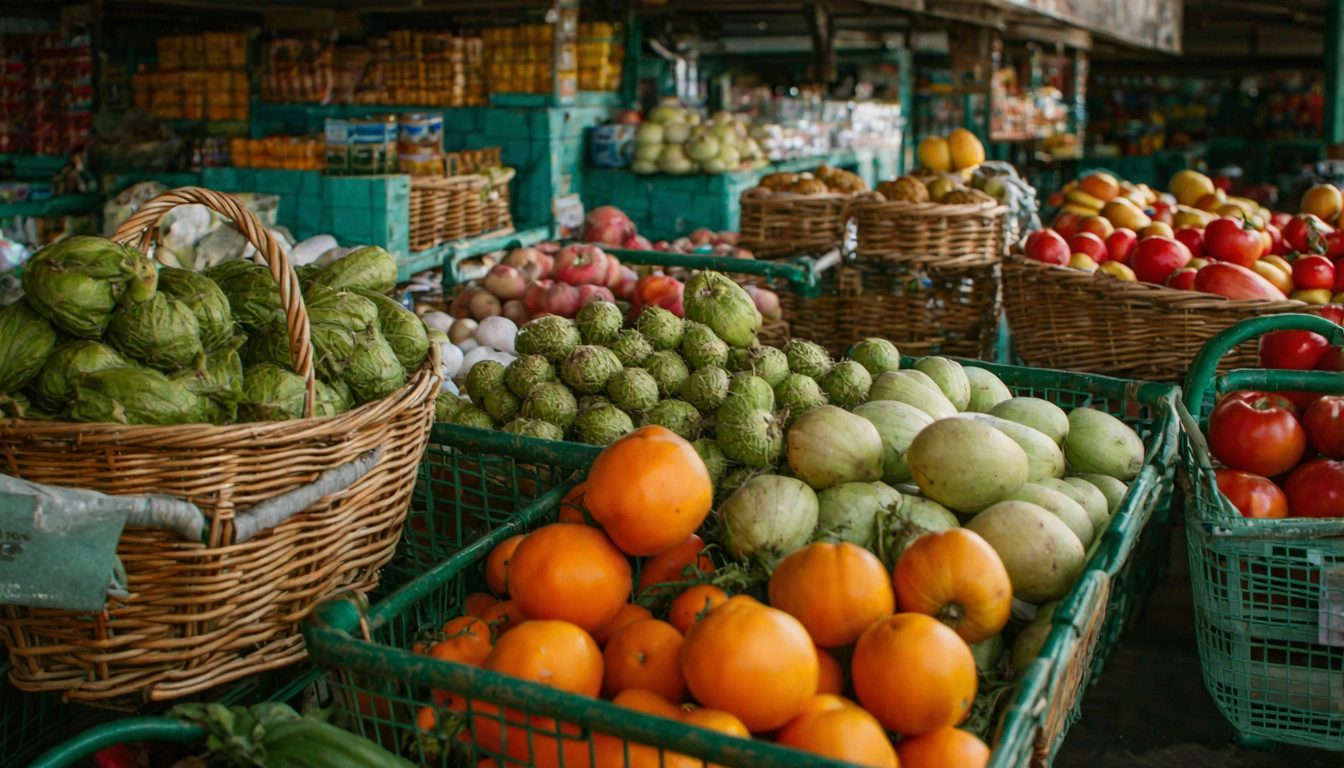
Discounted produce often refers to items that are nearing their sell-by dates, have minor imperfections, or are in surplus supply. In Nepal, many local markets and grocery stores have started to offer these items at reduced prices, making fresh produce more accessible to a broader range of consumers. This initiative is particularly impactful in urban areas, where the cost of living can be high, and families often seek ways to stretch their budgets.

One of the key benefits of purchasing discounted produce is the opportunity to enjoy fresh fruits and vegetables at a fraction of the cost. Consumers can find a variety of items, from ripe tomatoes and leafy greens to seasonal fruits like mangoes and oranges, all available at lower prices. These discounts not only help families save money but also encourage healthier eating habits by making nutritious options more affordable.

Moreover, this movement towards discounted produce also contributes to reducing food waste. In a country like Nepal, where agriculture is a significant part of the economy, ensuring that surplus produce is sold rather than discarded can lead to better resource management and sustainability. Farmers and sellers are increasingly recognizing the importance of this practice

(0)